Past Tense - Two People
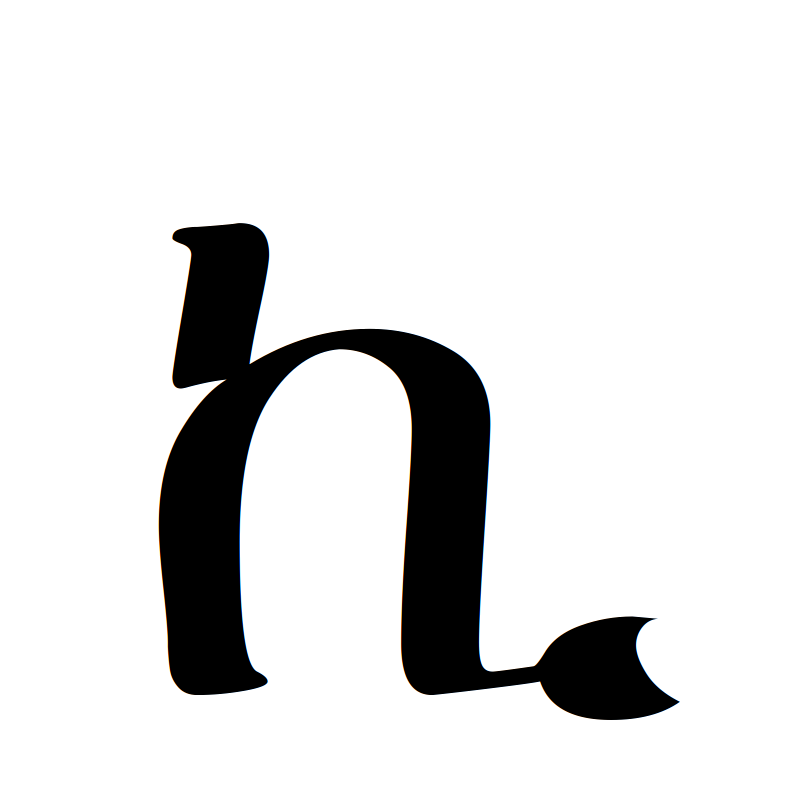
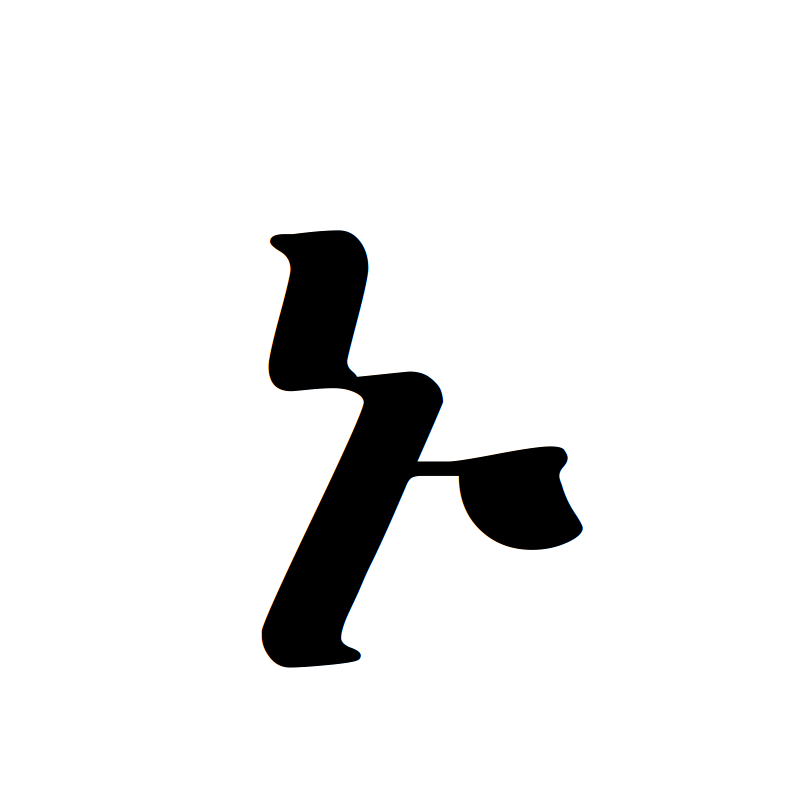
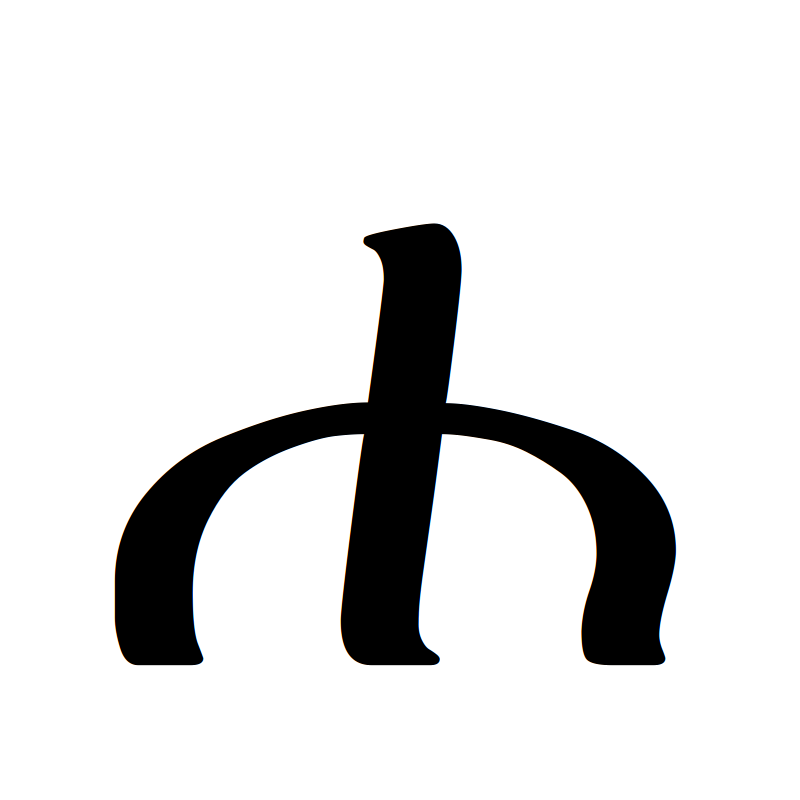
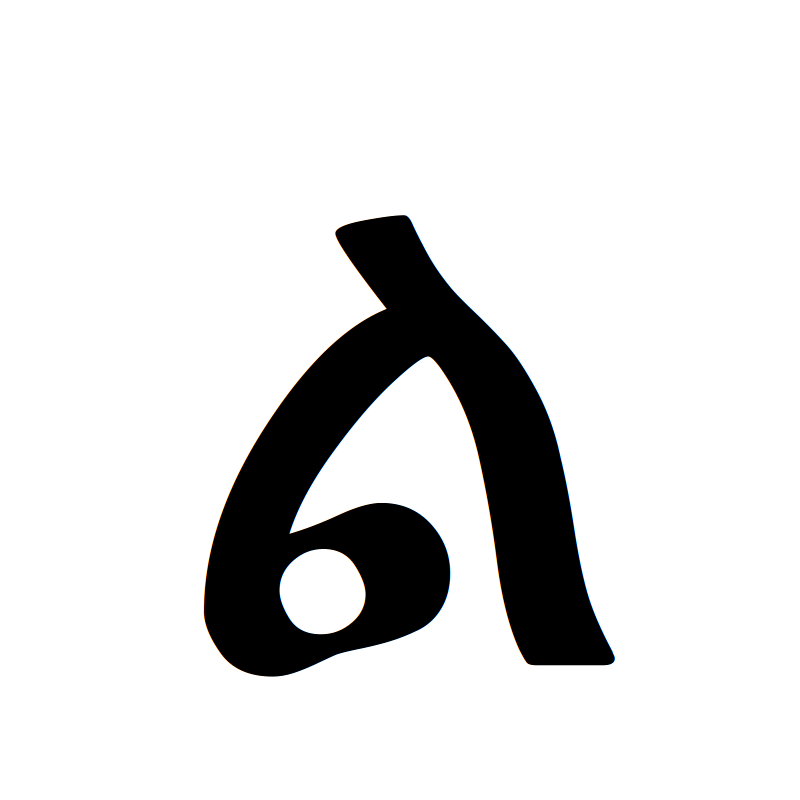
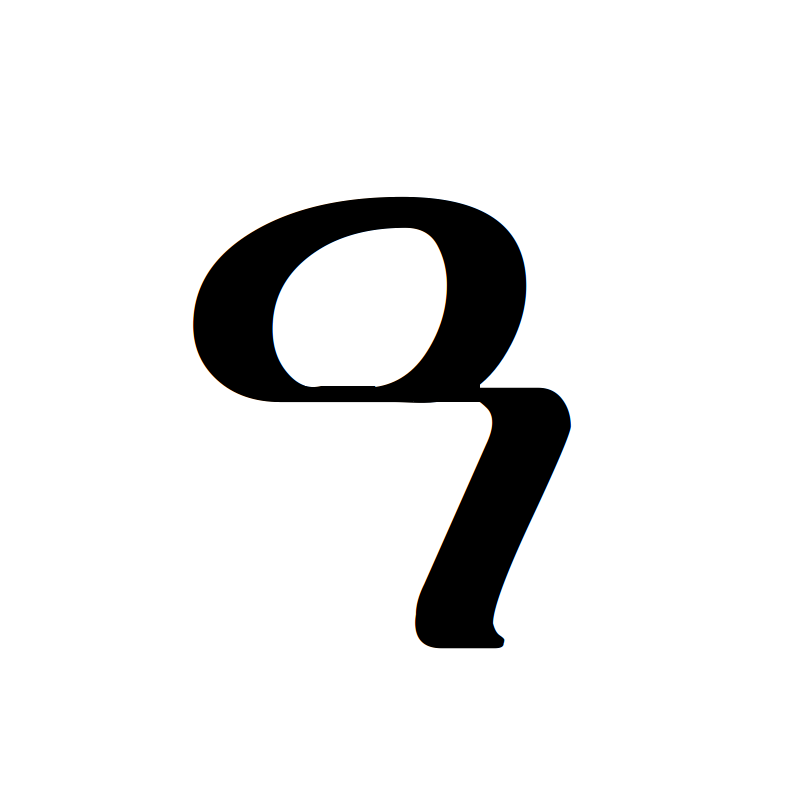
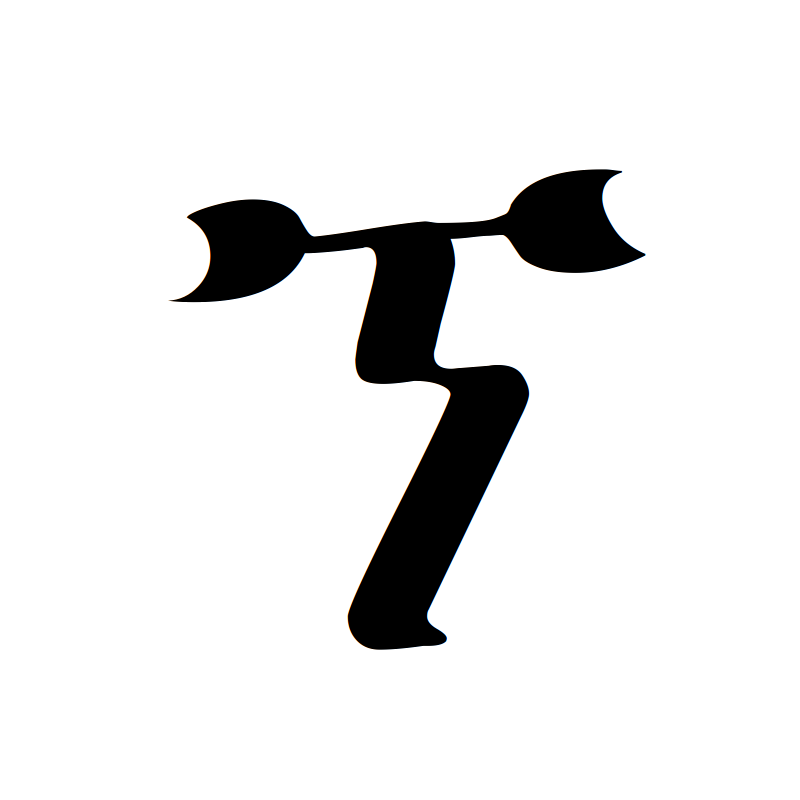
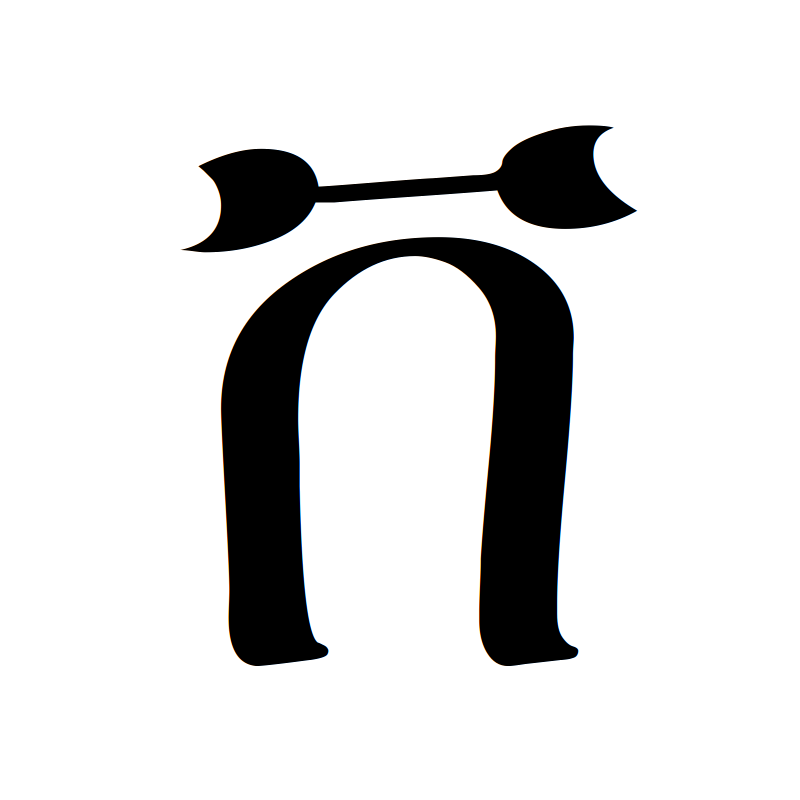
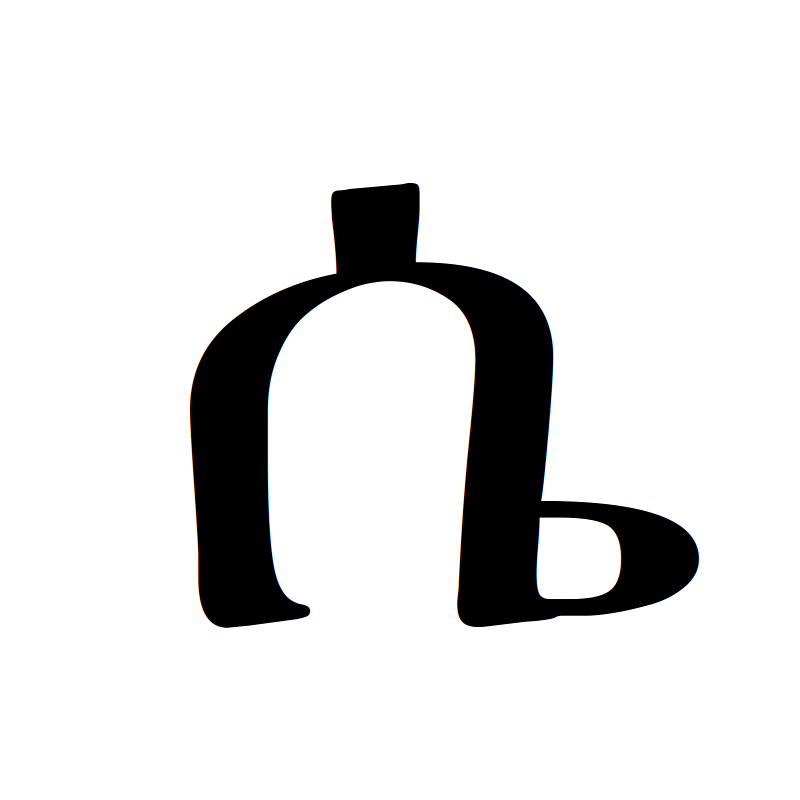
Two parts need to be added to the end of a verb, one for the "doing" person (left column)"
and one for the "done to" person. There are four "Done to" columns, one for a verb done
to me/us/you (red), him (yellow), her (green) and them (blue). To make a word, pick a
doer, then pick the person its "done to", making sure you match the colours of
the two.
| Who | Doer | | Done to (Me/Us/You) | Done to (Him) | Done to (Her) | Done to (Them) |
| I | eh | | ni | ni | ni | ni |
| We | na | | na | na | na | na |
| You (He) | ka | | ka | ka | ka | kha |
| You (She) | ki | | ki | ki | ki | khi |
| You (Men) | koom | | koom | koom | koom | khoom |
| You (Women) | ken | | ken | ken | ken | khen |
| He | oo | | yo | wo | oh | oh |
| She | ah | | ya | wa | ah | ah |
| They (Men) | om | | yom | wom | om | om |
| They (Women) | en | | yen | wen | en | en |
For example:
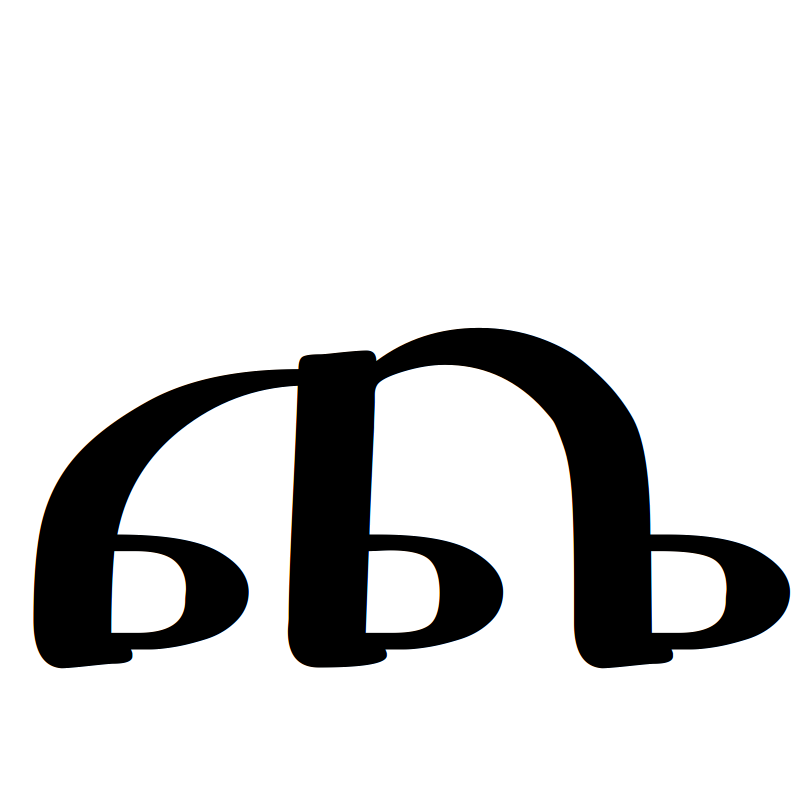
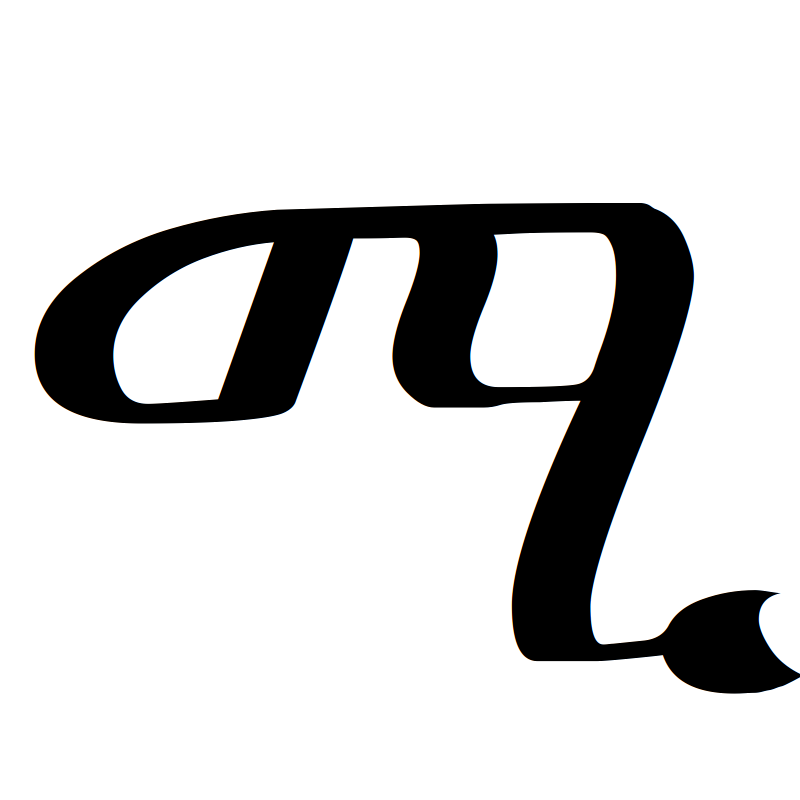
I helped him = Hagez
eh yo
He helped you = Hageze
oo ka
She helped us = Hageze
ki na
They (men) helped me = Hageze
om ni
Many verbs involve doing something for someone rather than to someone like "write for".
In this case add the sound "el" between the endings
I helped him = Hagez
el yo
He helped you = Hageze
ool ka
She helped us = Hageze
kil na
They (men) helped me = Hageze
omel ni